


Chapter One
Welcome to Japan
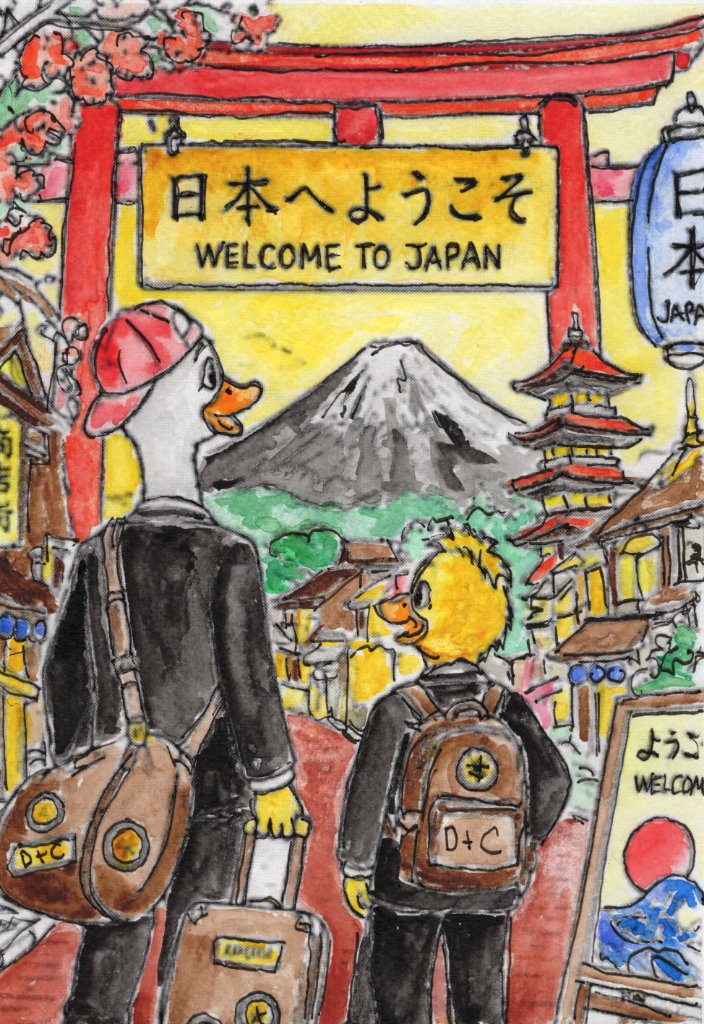
Arrival begins with unfamiliar signs, new sounds, luggage in hand, and the feeling that everything familiar has suddenly been left on the other side of the ocean.
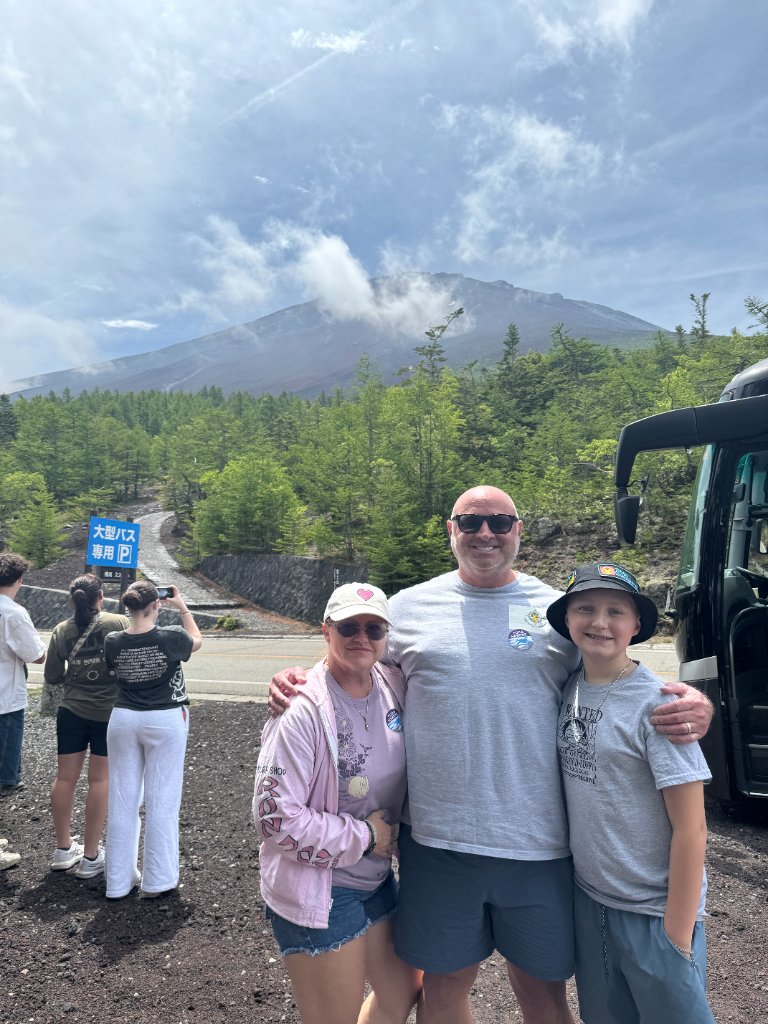
For a military family, Japan may begin as a duty station. But from the first train ride, the first neighborhood walk, and the first glimpse of Mount Fuji, it starts becoming something more.
Robert and Mike arrive with the same mixture of excitement and uncertainty felt by countless families before them: unsure of what comes next, but ready to discover it.
“A new duty station can become a new way of seeing the world.
First Impressions
The Unknown Has a Way of Becoming Home
The first arrival
At first, Japan can feel impossibly far from everything familiar. The streets move differently. The signs require patience. Even ordinary errands become small adventures.
Then the unfamiliar begins to soften.
A train station becomes easy to navigate. A local shopkeeper recognizes the family. A favorite walking route appears. The neighborhood that once felt foreign begins to feel personal.
Military families often discover that the most meaningful parts of living overseas are not found in official plans. They are found in the ordinary places that slowly become part of everyday life.
Field Notes
Local Flavor
Japan Is Remembered One Meal at a Time
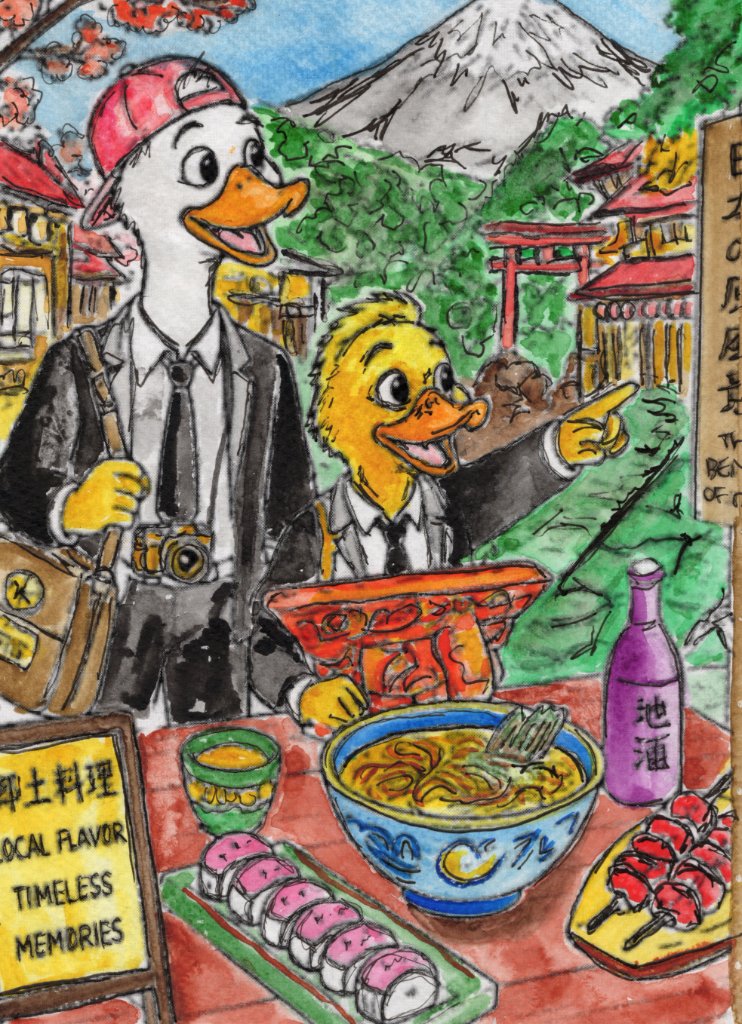
One of the first ways a family begins to understand Japan is through food.
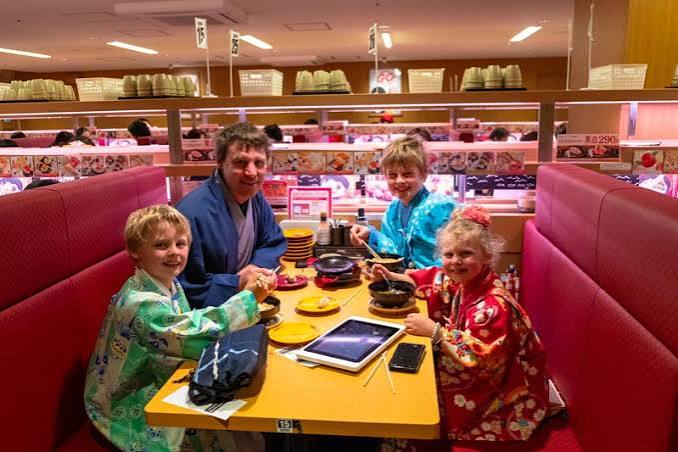
A steaming bowl of ramen after a long day. Fresh sushi shared around a table. A tiny restaurant discovered by accident. A meal ordered with only a few words and a great deal of pointing.
These experiences become more than meals. They become landmarks in the family story.
Years later, people may forget the name of a street or the exact route of a train. They rarely forget the place where they found their favorite bowl of ramen.
What begins as curiosity often becomes a family tradition.
“Local flavor has a way of becoming a timeless memory.
Tomodachi
Friendship Changes Everything
A place becomes meaningful through the people who help us understand it.
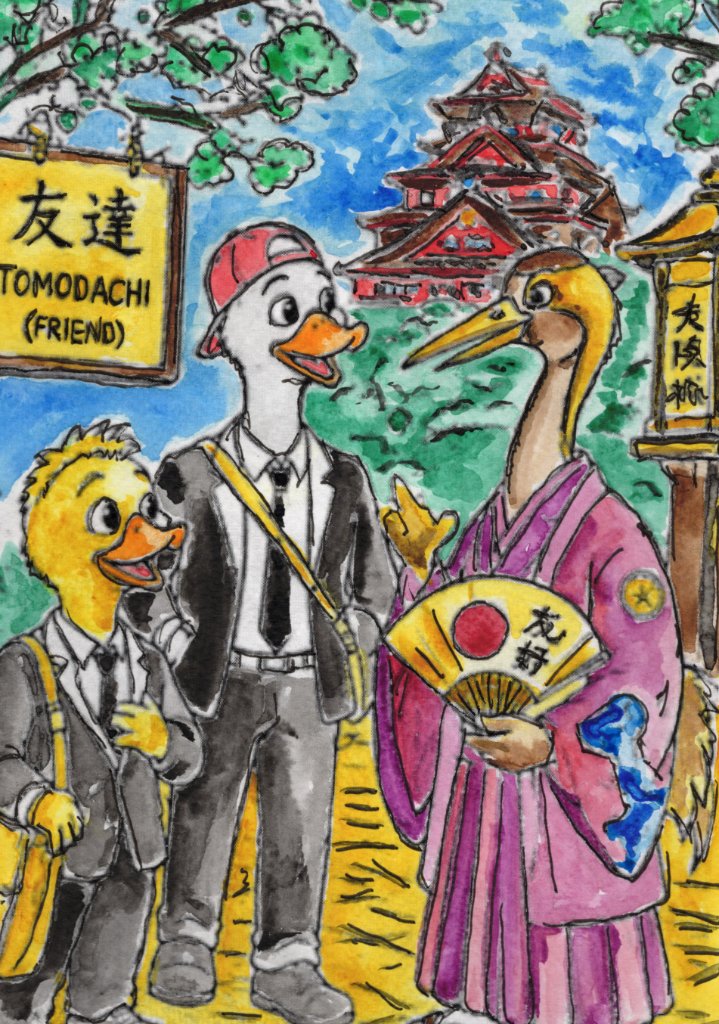
Military families build friendships with one another, with neighbors, with teachers, with shopkeepers, and with people who make an unfamiliar country feel welcoming.
Tomodachi means friend.
It is a simple word, but it captures one of the most important parts of living overseas. Friendship can turn a temporary assignment into a lifelong connection.
Robert and Mike discover that Japan is not only a place to visit. It is a place where kindness, hospitality, and shared experience can create a sense of belonging.
“Sometimes the strongest memory of a place is the person who welcomed you there.
A Culture Shaped by Centuries
Tradition Still Lives Here
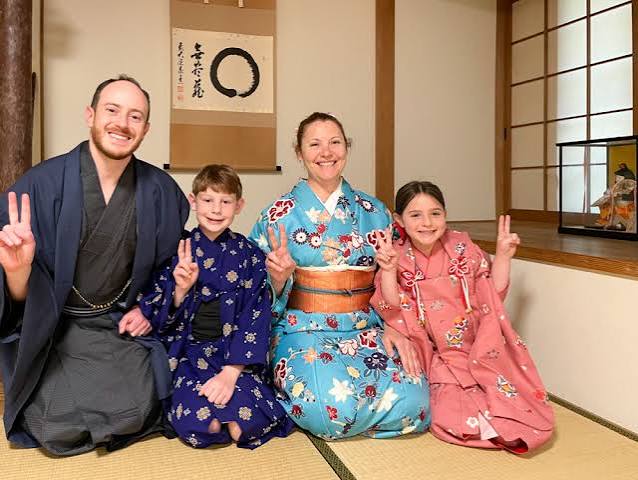
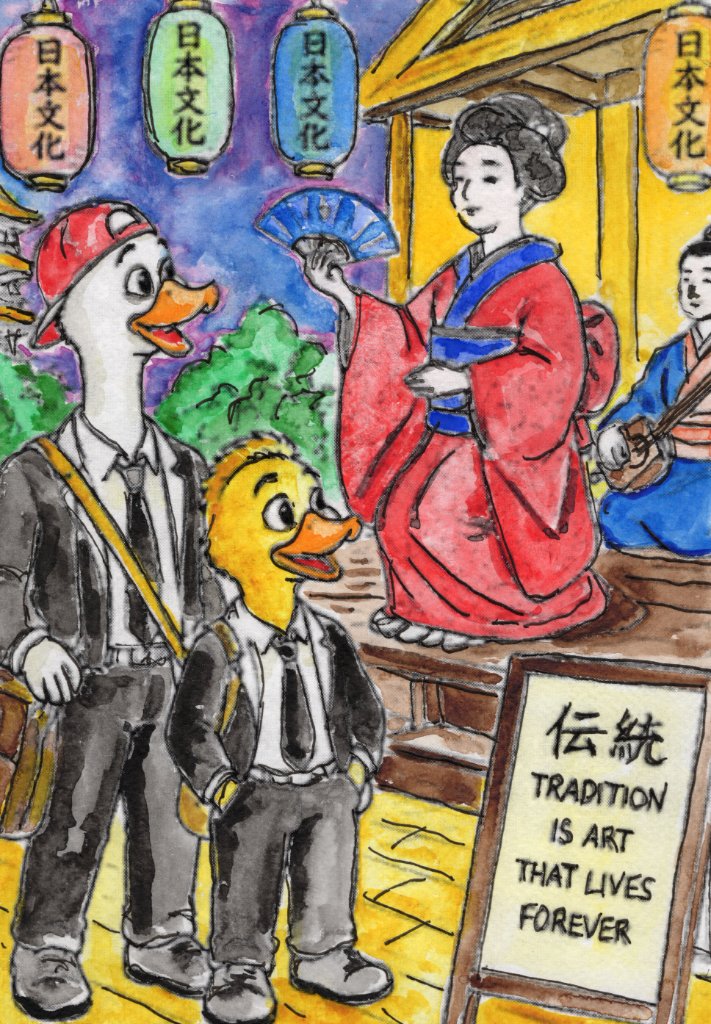
Japan’s history is not confined to museums.
It lives in architecture, gardens, clothing, music, ceremony, craftsmanship, seasonal festivals, and the careful passing of knowledge from one generation to the next.
For military families, encountering these traditions can become one of the most memorable parts of living in Japan.
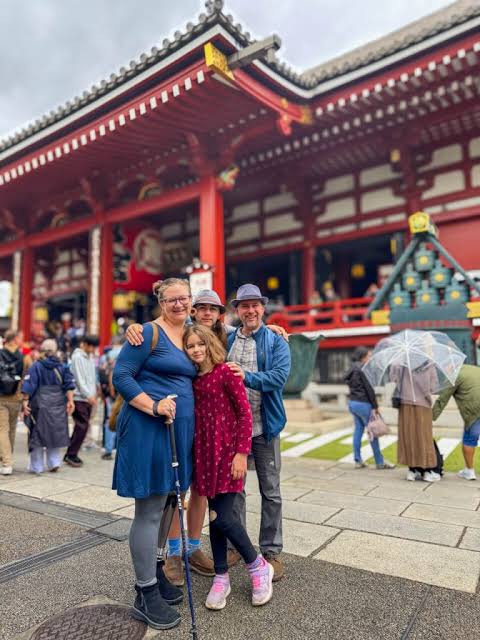
A temple visit, a traditional performance, a handmade object, or a quiet garden can reveal how strongly Japan values patience, beauty, ritual, and attention to detail.
This is not history placed behind glass. It is art that continues to live.
“Tradition is art that lives forever.
Cultural history & craftsmanship
The Legacy of the Samurai
The samurai remain an enduring part of Japanese cultural identity. Their legacy is visible not only in armor and sword craftsmanship, but in ideas of discipline, responsibility, preparation, loyalty, composure, and service.
A living cultural tradition
The Living Tradition of Sumo
Sumo connects ceremony, discipline, athleticism, and community. From the rituals surrounding the ring to the energy of a live tournament, it offers families a vivid connection between ancient customs and modern Japan.
Festivals and Shared Moments
Celebrate the Moment
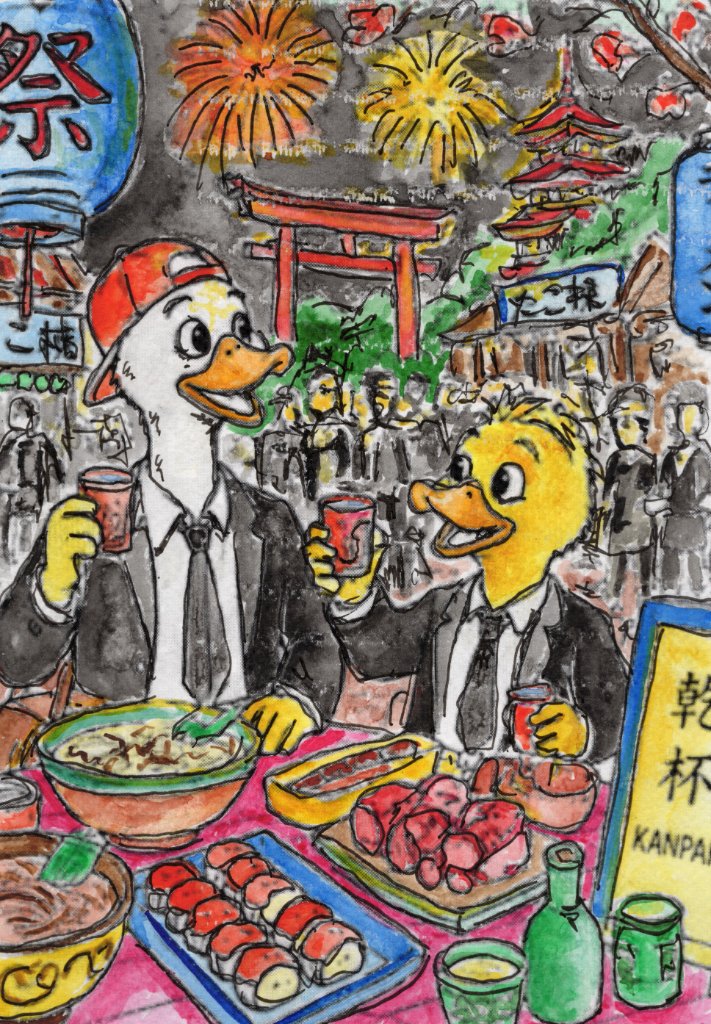
Some of the strongest memories of Japan are built after sunset.
Festival lanterns. Fireworks above a temple roof. Food shared across a crowded table. Laughter between friends. A toast raised at the end of a long day.
Kanpai is the Japanese word used when raising a glass together.
But the feeling behind it is larger than the word. It is an invitation to pause, appreciate the moment, and recognize the people sharing it with you.
For a military family, these gatherings can be the moments when Japan stops feeling like an assignment and begins feeling like part of life.
“The most memorable journeys are often celebrated around a shared table.
Beyond the Expected
Adventure Lives Here Too
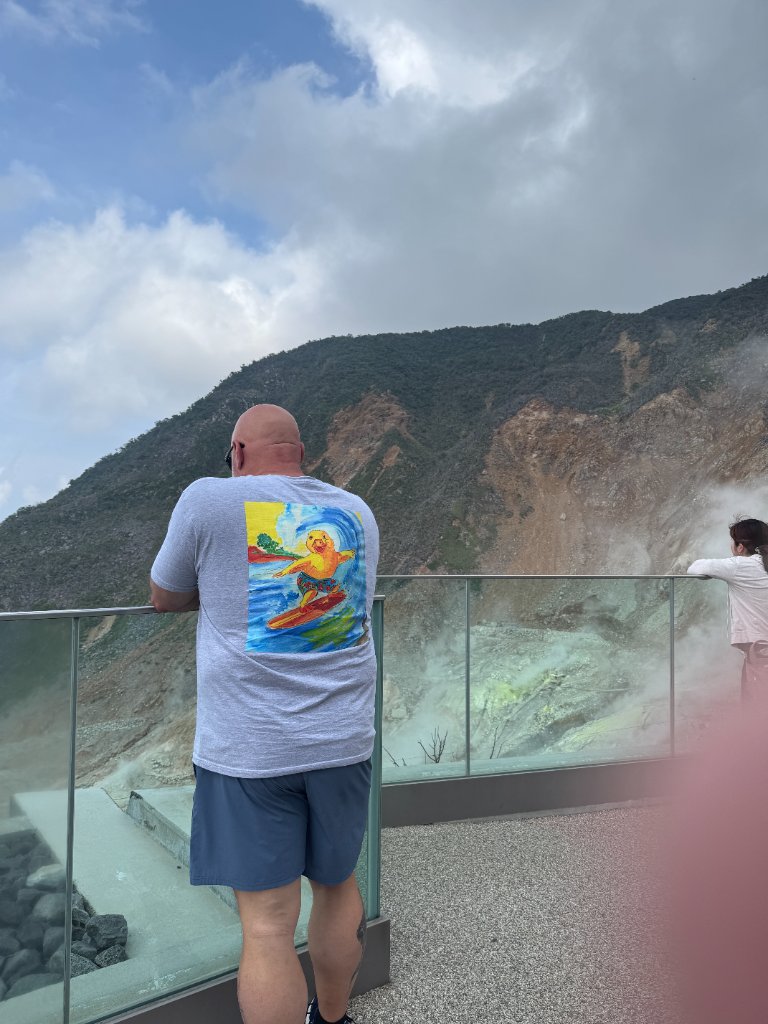
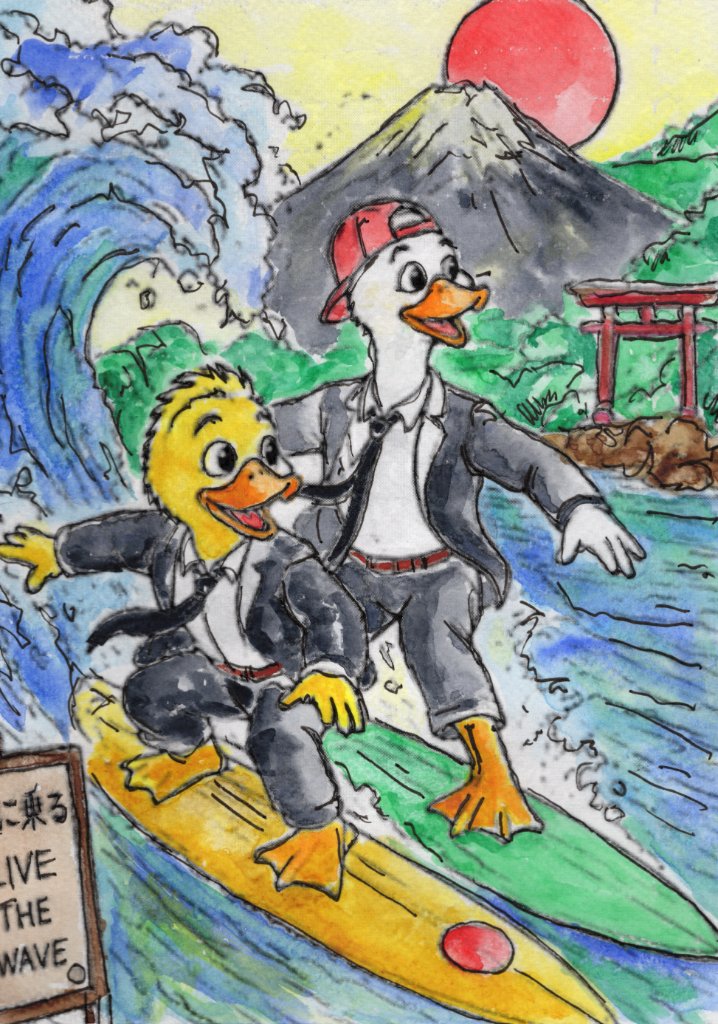
Japan is often remembered for temples, traditions, gardens, and crowded cities. But it is also a country of coastlines, mountains, forests, rivers, and outdoor discovery.
Military families may find themselves surfing in the Pacific, hiking beneath Mount Fuji, exploring coastal towns, or taking a weekend trip with no plan beyond seeing what waits around the next turn.
Robert and Mike approach Japan the same way: with curiosity, energy, and the confidence to try something new.
Sometimes the best way to understand a place is to stop observing it from a distance and step directly into the experience.
“Do not just watch the journey. Live the wave.
The Journey Continues
The Lessons You Bring Home
Living in Japan becomes more than a list of places visited.
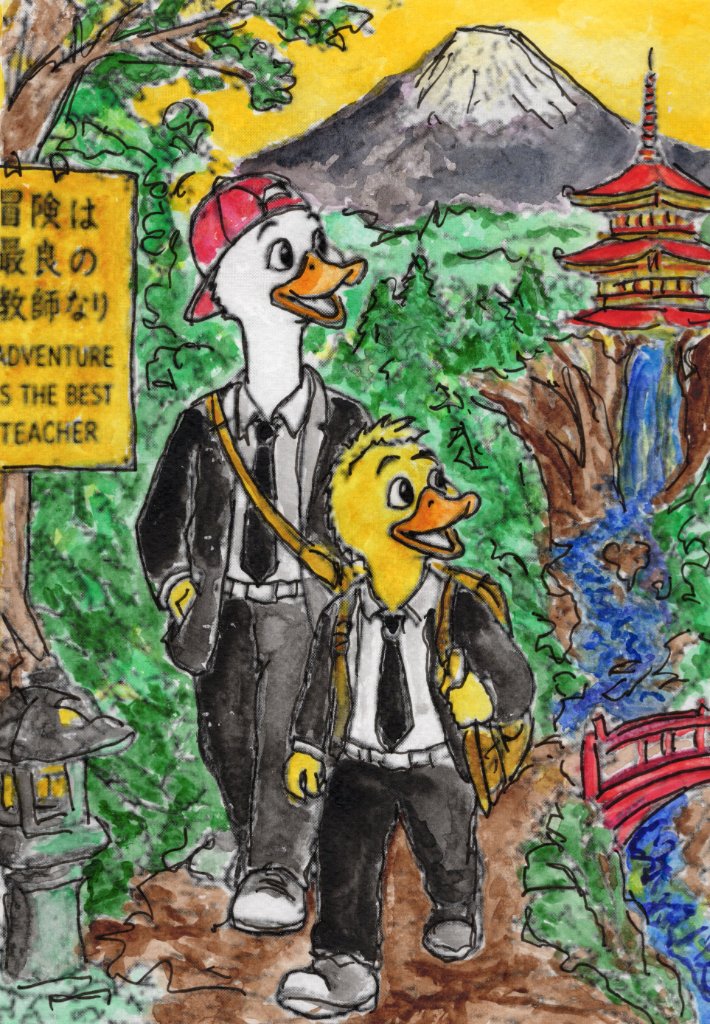
It becomes the confidence of learning a new train system. The patience of understanding unfamiliar customs. The joy of discovering a hidden garden, a mountain trail, or a favorite neighborhood restaurant.
It becomes the friendships made, the traditions witnessed, and the stories children carry into adulthood.
When the assignment ends, families may leave Japan behind geographically. But Japan does not entirely leave them.
It becomes part of how they understand culture, curiosity, and home.
“Adventure is one of the world\u2019s greatest teachers.
For many military families, Japan was never simply where they were stationed.
It became part of who they were.
The Collection